Description
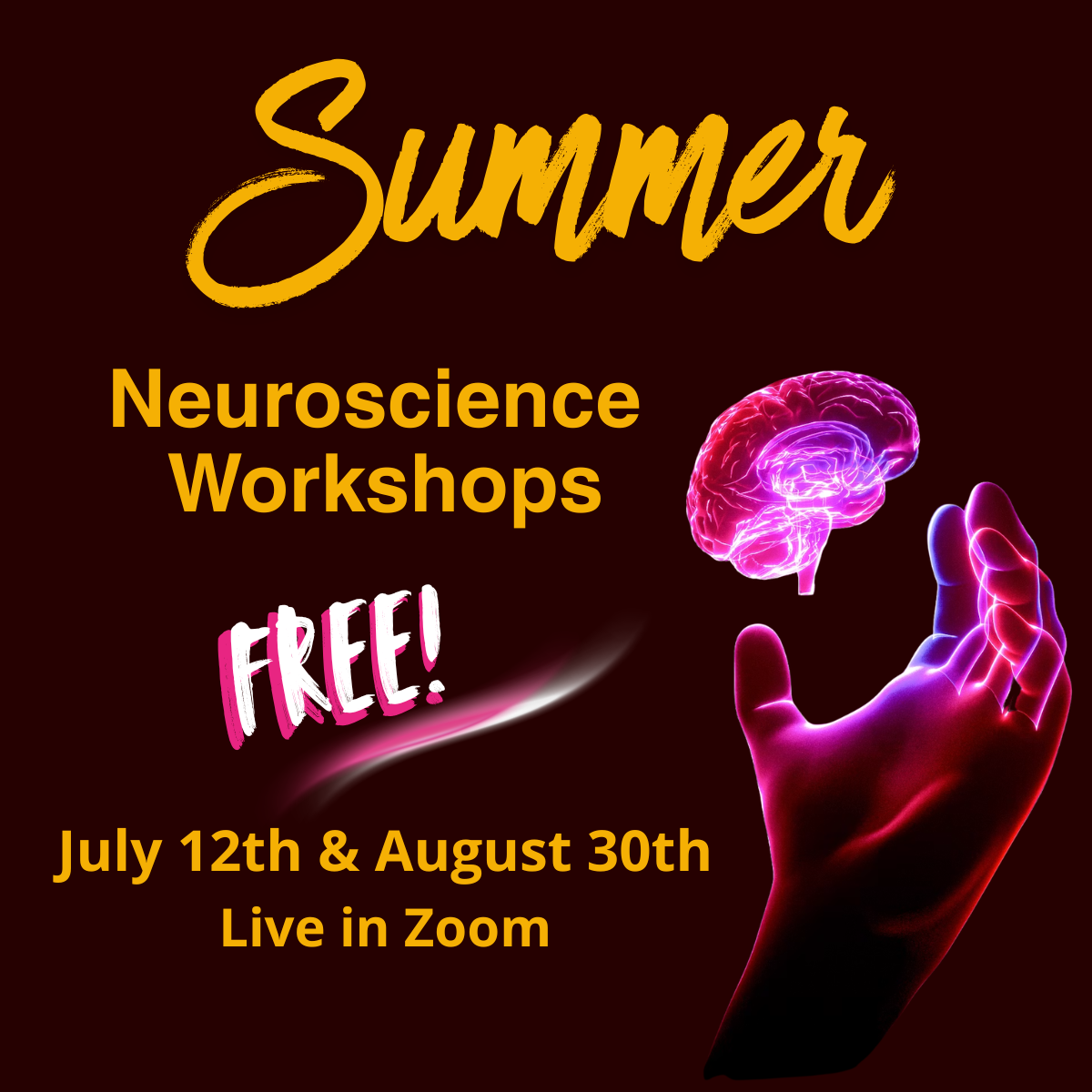
Free Neuroscience of Language Learning Workshop Series
iTDi and the JALT BRAIN SIG brings you two free workshops this summer, looking at how brain studies should be shaping our language teaching. Join us!
Facilitators: Curtis Kelly, Heather Kretschmer, Stephen M. Ryan
Details
July 12: Changing Language Assessment to Fit Discoveries about Social Brain
August 30: Examining your Well-Being as a Teacher
Two live sessions on each day: 05:00 UTC and 19:00 UTC (in order to cover as many time zones as possible. Time conversion links are under each specific day’s content description.
Venue: Zoom (Recordings will be available for registered participants.)
Once you register, you will have access to the Zoom link. You will also receive reminders before the event and recordings afterward, at the email address you used to register.
July 12: Changing Language Assessment to Fit Discoveries about Social Brain
Neuroscientist Matt Leiberman insists it is our highly evolved social brain, emerging from the mentalizing network, is what makes us truly superior to other primates. Not tool-making, not culture, not even language; the social brain is our superpower. It is at work almost all the time and we are barely even aware of it. Once you understand its power, and that language itself is one of its tools, then we think you will agree that how we teach and assess language, which has been shaped more by linguistics than by how the brain works, needs reform.
First, we will explain Lieberman’s social brain (one of our fall online course topics) and how language is a product of it. After looking at the neuroscience of cognitive control, a critical part of language learning, we will go to breakout rooms to discuss aspects of language performance, other than just grammar and vocabulary, that we should also be assessing. After all, if language is a social activity, then maybe we need to include other social competences, like turn-taking, clarity of expression, negotiation of meaning, gestures and creativity to get ideas across, empathy, synchrony, and who knows what else.
Live Session 1: 05:00 UTC (This will be July 11th in the Americas and July 12th in Asia and Europe.)
Live Session 2: 19:00 UTC (This will be July 12th in the Americas and Europe and July 13th in Asia.)
August 30: Examining your Well-Being as a Teacher
Few jobs have as much all-day, on-stage stress as ours does, often compounded by other factors: low pay, demanding administration, family obligations, and difficult students. And yet, you have survived as a teacher and hopefully, prospered. We’d like you to share one of your toughest times as a teacher and how you got through it.
First, we will look at some psychological research on teacher well-being (one of our spring online course topics) and then go to breakout rooms where we can discuss our own tough times. We guarantee surprises, for example, we will inform you about a particular factor of longevity that is more robust than diet, exercise, weight, and even close relationships!
Live Session 1: 05:00 UTC (This will be August 29th in the Americas and August 31st in Asia and Europe.)
Live Session 2: 19:00 UTC (This will be August 30th in the Americas and Europe and August 31st in Asia.)
Meet your workshop facilitators:
Dr. Curtis Kelly – Writer, Speaker, and Professor Emeritus of Kansai University in Japan; new to making videos
Stephen M. Ryan – Language teacher, Study Abroad experience creator, currently based in Okayama, Japan
Heather Kretschmer – Experienced teacher, writer, and Coordinator of Business English at the Georg-August-Universität Göttingen in Germany